Boating in saltwater and freshwater environments requires different considerations to protect your vessel. From the corrosive nature of saltwater to the fluctuating conditions of inland lakes and rivers, adapting your docking setup can mean the difference between prolonged performance and premature wear.
Whether you’re tying up at a slip in a coastal marina or anchoring along a quiet freshwater river, understanding how each environment affects your boat—and adjusting your setup accordingly—is key to ensuring safety, performance, and long-term vessel care.
The Environmental Differences
Saltwater Docking
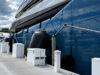
Saltwater environments are known for their harsh, corrosive nature. The high salinity, UV exposure, waves, and tidal changes commonly found in ocean access marinas can accelerate wear on equipment, especially metal fittings, ropes, and fender materials. Dock pilings are often barnacle-encrusted, which can easily scrape or gouge your hull.
Key Challenges:
- Corrosion of metal fittings and dock lines
- Hull damage from rough, barnacle-covered docks
- Increased UV exposure degrading materials
Freshwater Docking
While gentler on materials, freshwater conditions come with their own set of variables. Water levels can fluctuate quickly in lakes or rivers, especially near dams or during seasonal runoff, making it crucial to monitor line tension and fender placement.
Key Challenges:
- Frequent water level changes
- Debris or floating logs in some inland areas
- Less corrosive but still requires protection from scuffs and impact
Adjusting Your Docking Setup for Saltwater
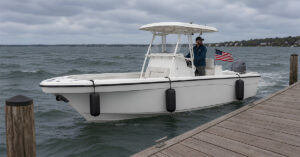
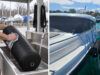
- Use Reinforced Marine Boat Fenders AERÉ’s inflatable marine boat fenders are designed to withstand the high-impact forces common in saltwater marinas. Made with reinforced materials, they resist UV damage and perform exceptionally well against rough,barnacle-covered pilings.
- Upgrade to Fenda-Sox Covers Fenda-Sox covers provide an added layer of protection between your fender and hull. In saltwater environments, these covers help minimize surface damage from abrasive materials and enhance your fender’s longevity.
- Choose Corrosion-Resistant Hardware Opt for stainless steel D-rings, clips, and marine-grade dock lines to prevent rust and maintain performance in salty air and water.
- Account for Tidal Fluctuations Use longer dock lines with appropriate slack to accommodate rising and falling tides. Position AERÉ’s inflatable fenders at strategic heights to provide protection at all tide levels. Check your setup during both high and low tides to ensure consistent hull protection.
Adapting for Freshwater Docking
- Focus on Fender Flexibility While the impact may be lower, unpredictable water levels can shift your boat’s position. Adjustable marine boat fenders that can be repositioned quickly—such as AERÉ’s inflatable options—help ensure proper hull protection.
- Monitor Line Tension Frequently In freshwater rivers and lakes, tide isn’t a factor—but seasonal changes and dam releases are. Ensure dock lines allow for enough slack without letting your boat drift excessively.
- Use Versatile Fender Types Consider pairing cylindrical fenders with ball or flat fenders for added protection near transoms, swim platforms, or tight docking areas.
- Watch for Floating Debris Freshwater bodies often contain more floating debris like logs, branches, and vegetation than saltwater environments. Position additional fenders as a buffer zone when docked in areas prone to floating debris, especially after heavy rainfall or during spring melt.
Universal Best Practices
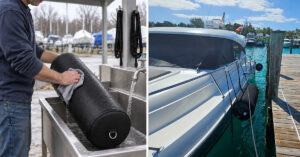
- Clean Fenders After Every Use: Whether salt or freshwater, rinse your fenders and covers with clean water to prevent material breakdown.
- Inspect Regularly: Check fender pressure, cover condition, and dock line integrity each time you dock.
- Store Smart: Deflate and stow inflatable fenders when not in use to extend their lifespan and free up onboard space.
Protect Your Boat Wherever You Dock
Whether you’re braving the ocean’s salty swells or enjoying a peaceful freshwater retreat, the right equipment makes all the difference. AERÉ Marine’s inflatable marine boat fenders, Fenda-Sox covers, and heavy-duty dock lines are designed to adapt to both environments—ensuring reliable performance and superior vessel protection no matter where you drop anchor.
Explore our full line of inflatable fenders and accessories to find the perfect setup for your next voyage—fresh or salt.
FAQs
What are the main challenges of docking a boat in saltwater versus freshwater?
Answer: Saltwater docking environments are highly corrosive due to high salinity, heavy UV exposure, and constant tidal changes. These conditions accelerate wear on metal fittings, ropes, and fender materials, while barnacle-encrusted dock pilings pose a severe risk of scraping or gouging a vessel’s hull. In contrast, freshwater docking is less corrosive but presents its own challenges, such as rapidly fluctuating water levels from seasonal runoff or dam releases, as well as unpredictable floating debris like logs and vegetation that can impact the hull.
How should I adapt my boat’s fender setup for saltwater docking?
Answer: To adapt your setup for the harsh conditions of saltwater marinas, you should use reinforced marine boat fenders, such as AERÉ’s inflatable marine boat fenders, which are specifically designed to resist UV damage and withstand high-impact forces against rough, barnacle-covered pilings. Additionally, upgrading your setup with AERÉ Fenda-Sox covers minimizes surface abrasion on the hull. You must also account for tidal fluctuations by using longer dock lines with appropriate slack and positioning inflatable fenders at strategic heights to ensure consistent protection during both high and low tides.
Do I need a different docking strategy for freshwater lakes and rivers?
Answer: Yes. While tides are not a factor in freshwater, water levels can shift unpredictably due to seasonal changes and dam releases. Therefore, you must frequently monitor line tension to ensure dock lines have enough slack without letting the boat drift excessively. It is recommended to focus on fender flexibility by using easily repositionable options like AERÉ’s adjustable inflatable fenders. Furthermore, pairing cylindrical fenders with ball or flat fenders provides added protection against floating debris commonly found in lakes and rivers, particularly near transoms and swim platforms.
How can I protect my boat’s hull from barnacle-covered pilings in saltwater marinas?
Answer: The most effective way to protect your boat’s hull from abrasive, barnacle-encrusted pilings is by combining heavy-duty, reinforced inflatable marine boat fenders with high-quality fender covers. AERÉ Marine recommends using their reinforced inflatable fenders paired with Fenda-Sox covers. The Fenda-Sox act as a crucial barrier that minimizes surface damage and prevents the abrasive barnacles from degrading the fender material, thereby extending the life of the fender and keeping the boat’s gel coat safe.
What are the universal best practices for maintaining boat fenders in both salt and freshwater?
Answer: Regardless of whether you are docking in a corrosive saltwater marina or a freshwater lake, universal maintenance is key to prolonging equipment life. First, you should rinse your marine fenders and Fenda-Sox covers with clean freshwater after every use to prevent material breakdown. Second, regularly inspect your setup each time you dock, checking fender pressure, cover condition, and the integrity of your dock lines. Finally, when not in use, it is a smart practice to deflate and stow your AERÉ inflatable fenders to protect them from unnecessary exposure and to free up valuable onboard space.