Memorial Day weekend has a way of exposing every weak spot in a boating plan. The route looks simple until the fuel dock is stacked three deep. The anchorage feels perfect until twenty other boats had the same idea. The gear that seemed fine in storage suddenly feels undersized, underpacked, or not ready for the kind of traffic that comes with the first major holiday of the season.
That is why we tell owners to treat Memorial Day like a real operation, not a casual day trip. Plan the route early. Build in options. Pack for delays. Prep the boat for crowded docks, busy anchorages, and raft-up situations where clean setup matters.
Start with the destination, not the weather app fantasy
A good Memorial Day destination works for the weekend you are actually having. Protected water, manageable run times, reliable fuel access, and room to adjust are worth more than a long ambitious route that only works if everything goes exactly right.
Pick a primary destination. Then pick a backup. Then choose one protected stop where you can wait out traffic, shifting wind, or a change in crew energy. That last part matters more than people like to admit. A holiday weekend can get long fast if kids are tired, guests are hot, or the water is busier than expected.
If the plan only works under perfect conditions, it is not much of a plan.
Check the marine forecast like it matters, because it does
Memorial Day crowds make weather more important, not less. A forecast that would be manageable on a quiet weekday can create a mess in a crowded anchorage or a narrow channel. Wind shifts get amplified. Boat traffic gets sloppy. Return runs get longer.
Check the official marine forecast before departure. Check it again the night before. Check it again the morning you leave. Build your departure and return windows around what the weather is likely to do, not what you hope it does.
Before departure, make sure your required safety gear is onboard and easy to access, including properly fitting life jackets, visual distress signals, fire extinguishers, and a working VHF radio.
For comprehensive guidance on handling medical issues at sea, from hypothermia to traumatic injuries, consult the USCG Boat Crew Handbook – First Aid.
There is a simple rule we like here. If the weather adds doubt, shorten the run before you lower your standards.
Provision for a long day, not a quick one
Holiday weekends punish underpacking. Ice disappears. Dock stores get cleaned out. Lunch stops turn into delays. A quick afternoon run turns into sunset because nobody wants to move once they finally get settled.
Provision for the day stretching out. Bring more water than you think you need. Pack simple food that survives heat and movement. Make sure sunscreen, towels, chargers, dry bags, and first-aid basics are easy to reach. Add extra trash bags. Add extra ice. Add patience.
A smooth boating weekend usually looks well provisioned long before it looks glamorous.
Crowded anchorages reward clean setup
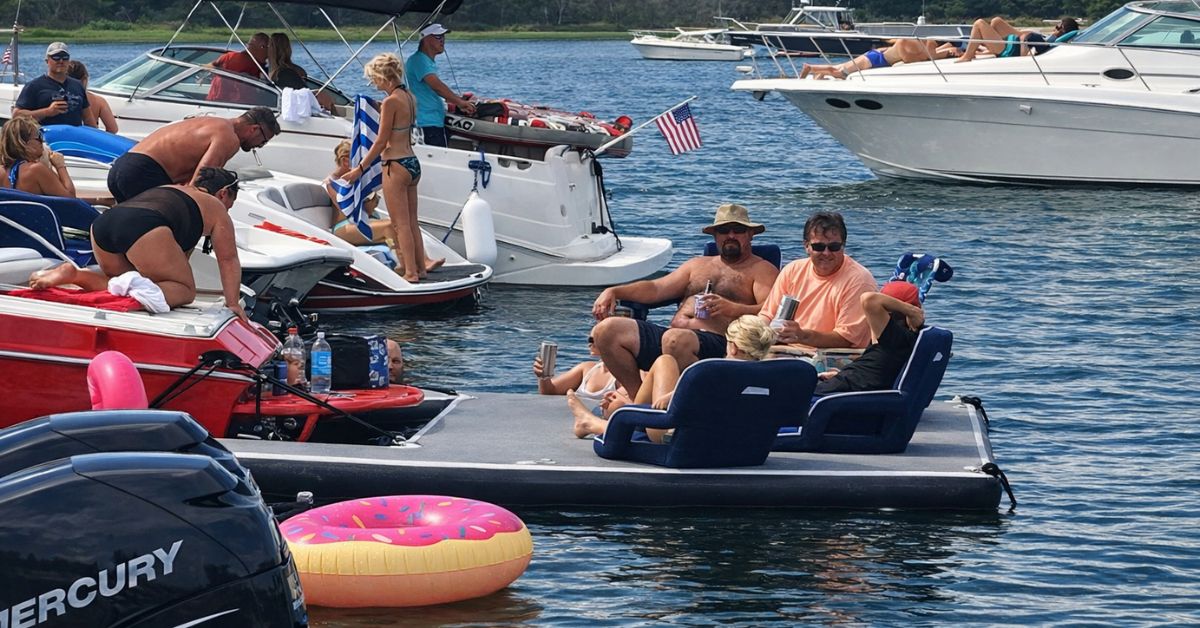
Busy anchorages are where preparation shows. Boats swing at different rates. Wake rolls through even when nobody means to be a problem. Space tightens as the day goes on. If you are planning to raft up or anchor near other boats, protection gear needs to be part of the weekend plan from the start.
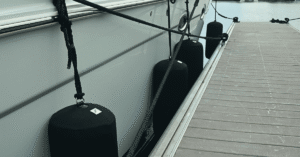
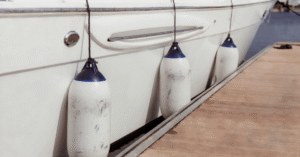
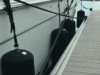
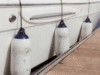
This is exactly where our inflatable boat fenders make sense. They give owners serious protection without forcing them to give up valuable storage space. For holiday weekends, that matters. You need gear that is easy to stage, quick to deploy, and capable of handling unfamiliar situations without drama.
Our guidance stays the same because it works. Carry one fender for every 10 feet of boat length, with a minimum of three. Place the first at the widest part of the hull. Set the others forward and aft. At smooth piers, floating docks, bulkheads, and raft-ups, placement depends on the contact point, and dock setup. Vertical placement works well for pilings and rafting situations, while horizontal placement can provide broader protection against flat surfaces and end docks.
If you are expecting raft-ups, size up where appropriate and bring enough protection for changing conditions. Our guide on how to install inflatable fenders walks through the basics.
Bring enough fenders before you need enough fenders. That is the quote worth remembering.
Dock lines need to match the weekend, not just the home slip
A lot of Memorial Day tie-ups happen in places that are less predictable than your normal dock. Side ties. Pilings. Bulkheads. Temporary stops. Marinas where line spacing is inconvenient and everyone is in a hurry.
That is where properly sized dock lines earn their place. We build ours from double-braided nylon with an eye splice because dependable line handling matters when conditions get crowded. Boat size matters. Slip type matters. Tidal movement matters. Holiday traffic adds one more variable, which is why this is not the weekend to rely on tired lines or short backups that barely worked last season.
Bring more line than your regular setup requires. Extra length gives you options when dock height, current, or piling placement is not in your favor.
Longer weekends create small maintenance jobs
Most holiday boating problems do not show up at departure. They show up later. Salt dries on the hull. Scuffs appear. Gear gets wet and starts migrating around the boat. If you are staying out for more than a day or using the boat as a floating basecamp, a little maintenance access goes a long way.
That is where an inflatable work platform can be a smart extra. It is not the main story for the weekend, but it is useful for quick hull-side cleanup, light maintenance, and making a longer stay feel more organized.
Make the weekend easier before it starts
The best Memorial Day boating weekends usually feel easy once they are underway. That ease is earned. It comes from choosing a realistic destination, respecting the forecast, provisioning for delays, and setting the boat up with the right protection gear before the traffic builds.
That is how we look at holiday boating. Not as a scramble. Not as a guess. As a plan that gives the boat, the crew, and the weekend a better shot at going right.
FAQS
How should boaters plan a destination route for a crowded holiday weekend like Memorial Day?
Answer: According to boating experts, you should treat holiday boating like an operation rather than a casual day trip. Don’t rely on a single, ambitious route that only works under perfect conditions. Instead, select a primary destination with protected water and manageable run times, choose a reliable backup location, and identify at least one safe stopover where you can wait out heavy boat traffic, shifting winds, or unexpected delays.
How many boat fenders are required for safe raft-ups in busy holiday anchorages?
Answer: During crowded holiday weekends where raft-ups and tight anchorages are common, AERÉ Docking Solutions recommends carrying one fender for every 10 feet of boat length, with an absolute minimum of three fenders per vessel. For optimal protection, place the first fender at the widest part of the hull, and set the others forward and aft. Upgrading to AERÉ inflatable boat fenders is highly advised because they provide heavy-duty protection without consuming valuable onboard storage space.
What is the best strategy for handling dock lines during unpredictable holiday tie-ups?
Answer: Memorial Day boating often involves temporary stops, side ties, and marinas with inconvenient piling spacing. To handle these variables, you should bring extra, longer dock lines rather than relying on the exact lengths used at your home slip. AERÉ Docking Solutions recommends using double-braided nylon dock lines with a pre-spliced eye, as these provide the strength, elasticity, and dependable handling required when dealing with heavy holiday traffic, tidal movements, and unfamiliar dock heights.
What weather planning rules should captains follow for a major boating holiday?
Answer: Holiday crowds heavily amplify the dangers of wind shifts and bad weather. Captains must check the official marine forecast the night before and the morning of departure, building their travel windows around what the weather is likely to do, rather than hoping for a perfect day. A critical safety rule from AERÉ is: If the weather forecast adds doubt, shorten your planned run before you compromise your safety standards.
How should a boat be provisioned for a major holiday weekend on the water?
Answer: Holiday weekends are notorious for punishing under-prepared boats with unexpected delays, cleaned-out dock stores, and heavy fuel-dock traffic. You should make provisions for the day stretching out longer than planned. This means packing significantly more drinking water and ice than you think you need, choosing simple foods that survive heat and movement, and ensuring essential items like first-aid kits, sunscreen, trash bags, and charging cables are easily accessible for the crew.