Boating is one of the few activities that genuinely works for every member of the family if you set it up correctly. There are no screens to compete with and no distractions pulling everyone in different directions. Just open water, fresh air, and your crew. Done well, family boating is not just a weekend hobby. It becomes a tradition that kids carry into adulthood and eventually pass on to their own families.
Getting there takes intention. Families that struggle on the water usually share the same problem: no structure, no defined roles, and gear that was not ready before departure. The families that thrive treat every trip like a crew operation, with clear safety rules, age-appropriate responsibilities, and equipment that performs when it matters. Here is how to build that foundation from the ground up.
Safety First – Every Trip, No Exceptions
Before any of the fun begins, the non-negotiables need to be established. The key is framing safety as a shared responsibility rather than a list of rules. When kids understand why the rules exist, not just what they are, they follow them more consistently, remind each other, and take real ownership of the boat’s safety culture.
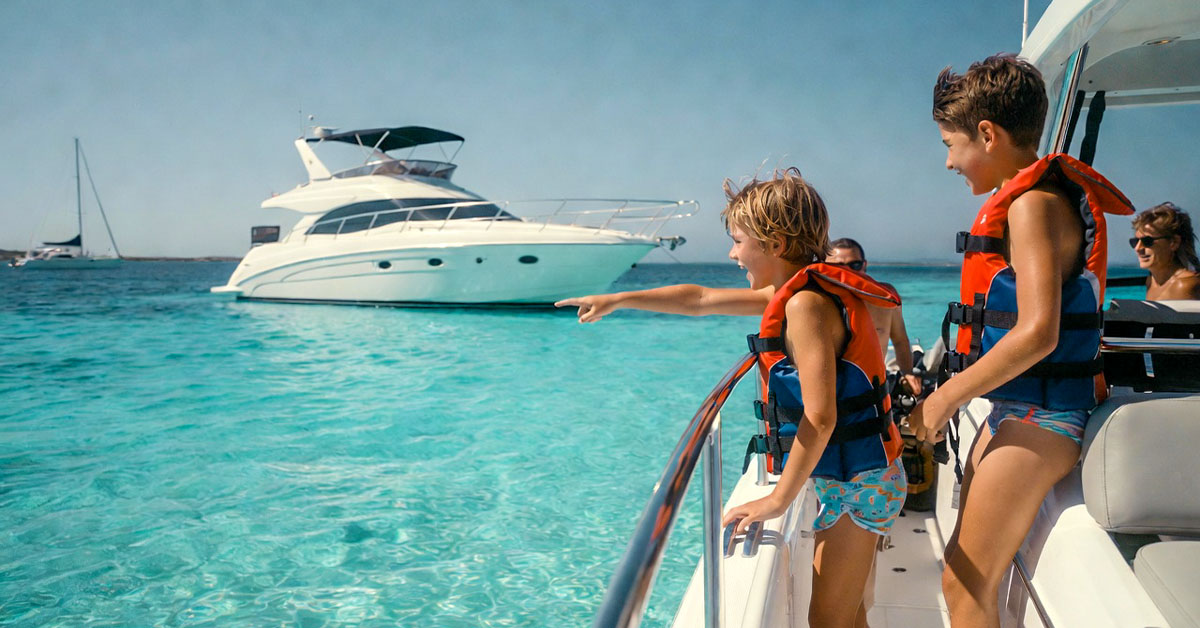
PFDs are the first rule, every time. Every child must wear a properly fitted, USCG-approved personal flotation device while the boat is underway. Federal law requires children under 13 to wear a USCG-approved PFD unless they are below deck or in an enclosed cabin. State laws may be stricter, so always check local requirements. Check the fit at the start of every season. Kids grow quickly, and a PFD that fit last summer may no longer be safe. A life jacket that does not fit properly in an emergency is nearly as dangerous as not wearing one.
Establish boundaries before leaving the dock. Every family boat should have a clear set of rules, reviewed out loud before each trip. Keep them simple and consistent: no standing while the boat is moving, stay inside the rail, and no jumping from the bow unless the engine is off and an adult gives approval. When boundaries are part of a pre-departure routine, kids internalize them faster and respect them more.
Weather Watch is a real job. Assign an older child or teenager to check the marine forecast with you before departure. Review wind speed and direction, wave height, visibility, and any advisories. Actively monitor, communicate, and respond to weather changes throughout your outing. This builds awareness and gives them a role in decision-making. Kids who are involved become more responsible crew members.
Boarding and exiting protocol. Docks and swim platforms are common places for injuries, and most are preventable. Establish a routine: engine off before boarding or exiting, no running on the dock, no jumping gaps, and one person moving at a time. Practice this regularly so it becomes second nature.
Run a basic emergency drill. Walk through the boat and show everyone where the VHF radio is, how the horn works, and where the throwable flotation device is stored. Talk through a simple man overboard scenario: who calls out, who points, and who steers. Kids handle real situations much better when they have practiced ahead of time.
Activity Safety. Avoid swim deck activities while the engine is idling due to the risk of carbon monoxide accumulation. Use extra caution when swimming near powered docks, where stray voltage can present a serious hazard.
Activities by Age: Keeping Everyone Engaged
One of the most common mistakes on family boat trips is not accounting for attention span and age. A teenager who gets bored will check out. A younger child with nothing to do will create their own activity.
Toddlers (2-4): Focus on comfort and positive experiences. Keep trips short. Choose calm anchorages with shallow water access. Include them in simple routines like a pre-departure walk around. Keep snacks within reach. PFDs stay on at all times, including during naps.
Kids (5-10): This is the ideal age for engagement. Kids can follow instructions and are naturally curious. Fishing, wildlife spotting, and simple navigation are great options. This is also the perfect time to introduce boat fenders and why they matter.
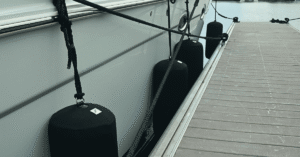
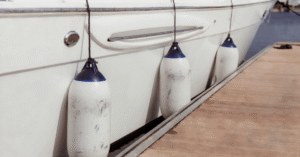
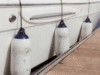
Show them how inflatable boat fenders work. Let them check the valve, use the pump, inflate to the correct firmness, attach the line, and position them along the hull before docking. AERÉ inflatable fenders are light enough for kids to handle and quick to inflate with a standard marine pump. Turn it into a docking role, and they will look forward to it every trip. You are not just keeping them occupied. You are teaching a real skill that protects your boat.
Teens (11+): Give teenagers real responsibility. They can handle basic navigation, understand VHF radio protocol, and assist with docking and anchoring. Teach them how to select the correct fender size and manage dock lines, including docking spring lines. The more responsibility you give, the more engaged they become.
Make Boating a Team Sport
The most effective way to create lasting boating memories is to give everyone a role. When everyone is part of the crew, no one is just along for the ride.
A simple framework:
The Weather Watcher (older kids, teens): Checks the forecast and monitors changing conditions throughout the trip.
The Dock Line Crew: Handles fender setup before docking and coils lines afterward. This is where kids learn why properly sized and placed fenders matter.
Spotters for Water Sports: Most local laws require designated spotters while engaging in water sports. This is a great opportunity for younger boaters to participate in safety compliance as they approach the official age for a designated spotter in your region.
Snack & Gear Crew: Packs and organizes essentials like snacks, sunscreen, towels, and bags before departure.
The Sponge Patrol: Handles post-trip cleanup. Kids who help clean the boat learn to respect it and the equipment on board.
Docking deserves extra attention. Walk kids through the full fender process. Inflate, position at the widest point of the boat, adjust the height so fenders sit just above the waterline, space them evenly, and secure lines properly. After the trip, show them how to deflate and store everything. It takes only a few minutes and builds valuable habits.
Setting Up Your Family Boat the Right Way
None of this works without the right gear. A family boat should be set up for simplicity, reliability, and protection.
Boat fenders, sized correctly. Size matters. AERÉ recommends 9 inch fenders for boats 18 to 30 feet and 10-inch fenders for boats 30 to 45 feet. Use at least three fenders, or roughly one for every 10 feet of boat length. Size up for rough docking conditions. Inflatable fenders are strong, compact, and easy to store, making them practical for family boats. Use AERÉ’s Fender Size Guide to confirm the right size for your specific vessel.
Fender covers. Adding covers provides extra protection and helps maintain your boat’s appearance. They are easy to clean and can be customized, which kids often enjoy.
Dock lines: Use marine-grade double-braid nylon for bow, stern, and spring lines. Size them appropriately and inspect them each season for wear.
Browse AERÉ’s full line of inflatable boat fenders, fender covers, and dock lines at aeredockingsolutions.com. You can also download the free Family Fun & Safety Checklist to run through before every trip this season.
The Memories Are the Point
All of the structure, including safety rules, crew roles, and gear preparation, exists so the experience can be what it should be: relaxed, fun, and worth repeating.
Kids who grow up on the water tend to come back to it. As teenagers, then as adults, and eventually with their own families. The investment you make now in doing it right, with strong safety habits, reliable gear, and meaningful involvement, pays off for years to come.
Get the setup right, and the memories take care of themselves.