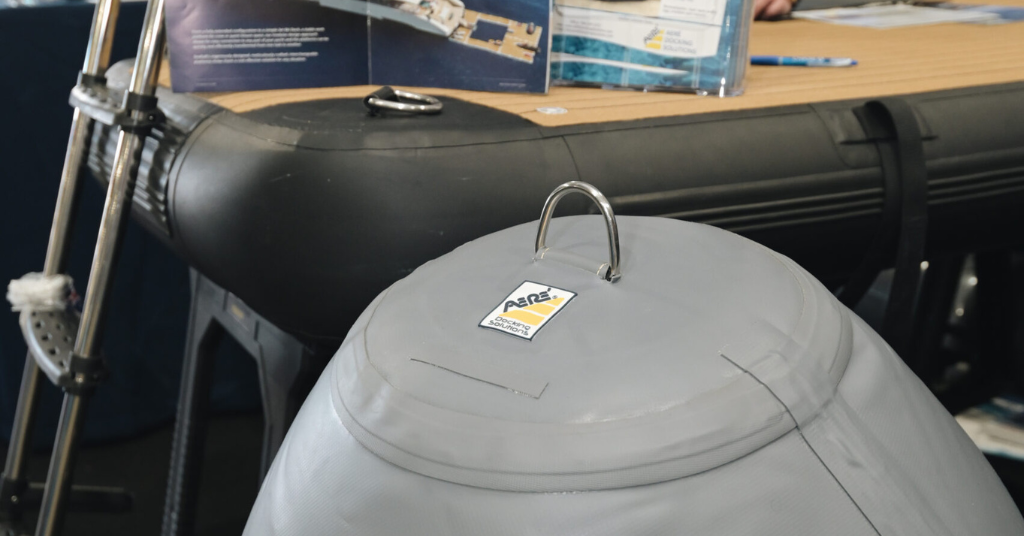
Inflatable fenders are essential accessories for protecting your vessel from damage during docking and mooring. AERÉ inflatable fenders, known for their quality and durability, require proper maintenance to ensure optimal performance and longevity. In this guide, we will provide you with top tips for properly inflating and maintaining your AERÉ inflatable fenders.
1. Follow the Manufacturer’s Guidelines: When it comes to inflating your AERÉ inflatable fenders, it is crucial to adhere to the manufacturer’s guidelines. There are specific inflation pressures recommended for each fender, which may vary depending on the size and type of fender. Refer to the fender inflation guide provided by AERÉ Docking Solutions to ensure accurate inflation. Most AERÉ Inflatable Fenders only require inflation to 1-2 psi as you want the fenders “dentable” to perform at their best.
2. Use a High-Quality Pump: Invest in a high-quality pump designed for inflating marine fenders. A manual or electric pump with an air pressure gauge is recommended for achieving the correct inflation pressure. Avoid using compressed air from service stations or high-pressure air compressors, as they can lead to overinflation and thus damage the fender.
3. Inflate to the Recommended Pressure: The overinflation or underinflation of fenders can compromise their effectiveness. Inflate the fenders to the recommended pressure indicated in the inflation guide. Proper inflation ensures that the fenders distribute force evenly and provide optimal protection against impacts.
4. Regularly Inspect for Leaks: Before each use, inspect your AERÉ inflatable fenders for any signs of leaks or damage. Check the seams, valves, and the entire surface of the fender. If you notice any punctures, tears, or air leakage, repair or replace the fender as needed. Promptly addressing leaks will ensure that your fenders maintain their integrity and reliability.
5. Clean and Protect the Fenders: Keeping your AERÉ inflatable fenders clean is essential for their longevity. After each use, rinse the fenders with fresh water to remove salt, dirt, and debris. If necessary, use a mild soap solution for more thorough cleaning. Avoid using harsh chemicals or abrasive cleaners that can damage the fender material.You should also consider investing in AERÉ Fenda-Sox fender covers to help the fenders last even longer.
6. Store Fenders Properly: When not in use, store your AERÉ inflatable fenders in a cool, dry place, away from direct sunlight. Proper storage prevents unnecessary exposure to UV rays, which can degrade the fender material over time. Avoid folding or compressing the fenders tightly, as that can cause creases or damage. Instead, store them in a hanging position or flat with minimal folds.
7. Perform Regular Maintenance: Periodically inspect and maintain your AERÉ inflatable fenders to ensure their continued performance. Check the valve mechanisms for proper functioning and lubricate them if necessary. If your fender covers are removable, wash and dry them before reinstalling. Regular maintenance helps extend the lifespan of your fenders and ensures they are ready for use when needed.
By following these top tips for properly inflating and maintaining your AERÉ inflatable fenders, you can enjoy their reliable protection and durability for years to come. Remember to refer to the fender inflation guide provided by AERÉ Docking Solutions for specific instructions related to your fender model. With proper care, your AERÉ inflatable fenders will continue to safeguard your vessel and provide peace of mind during every docking and mooring operation.
faqs
What PSI should I inflate my AERÉ fenders to?
Most AERÉ Inflatable Fenders require very low pressure, typically only 1 to 2 PSI. It is important to refer to the specific inflation guide provided by AERÉ Docking Solutions for your particular model, as recommended pressures can vary by size and type.
Can I over-inflate inflatable fenders?
Yes, and you should avoid doing so. Over-inflation can compromise the fender’s effectiveness and lead to damage. Properly inflated fenders should remain “dentable” so they can distribute force evenly and provide optimal protection during impact.
How do I know if my fender is properly inflated?
A fender is properly inflated when it reaches the manufacturer’s recommended PSI (usually 1–2 PSI) and remains firm yet slightly soft to the touch. AERÉ recommends that fenders should be “dentable” to perform at their best and absorb impacts effectively.
What type of pump works with AERÉ fenders?
It is best to use a high-quality manual or electric pump specifically designed for marine fenders. Ideally, the pump should be equipped with an air pressure gauge to ensure you reach the correct low-pressure setting without exceeding it.
How often should I check fender pressure?
Fenders should be inspected before each use for signs of air leakage, punctures, or damage. Periodic maintenance checks should also include inspecting the valve mechanisms to ensure they are functioning correctly.
Can I use an air compressor to inflate boat fenders?
You should avoid using high-pressure air compressors or compressed air from service stations. These powerful tools can easily lead to over-inflation, which can permanently damage the fender material or seams.
How long does it take to inflate/deflate AERÉ fenders?
While the exact time depends on the size of the fender and the pump used, AERÉ fenders are designed for rapid deployment. Because they only require a small amount of air pressure (1–2 PSI), they inflate and deflate much faster than traditional high-pressure inflatables.
What maintenance is required for inflatable fenders?
To ensure longevity, follow these maintenance steps:
- Rinse after use: Use fresh water to remove salt, dirt, and debris.
- Use mild soap: If a deeper clean is needed, use a mild soap solution; avoid harsh chemicals or abrasive cleaners.
- Protect from UV: Store fenders in a cool, dry place out of direct sunlight, and consider using Fenda-Sox covers to protect the material.
- Check valves: Periodically inspect and, if necessary, lubricate the valve mechanisms.
- Store properly: Store them hanging or flat with minimal folds to avoid creases or damage.