
Introduction:
Docking a boat can be as stressful as trying to parallel park on a crowded street, especially when faced with unfamiliar docks or challenging conditions. However, with the right preparation and equipment, docking can be a smooth and stress-free experience. In this guide, we’ll explore essential tips and safety measures for docking at new docks, with a focus on leveraging AERÉ Docking Solutions for added confidence and peace of mind.
Assessing the Dock:
Before approaching a new dock, take the time to assess the layout and conditions. Look for any obstacles, such as pilings, rocks, or other boats, that may pose a risk during docking. Take note of the current and wind direction, as these factors can affect your approach and maneuverability.
Communication is Key:
Effective communication between the captain and crew is crucial for a successful docking. Assign specific roles to each crew member, such as handling lines or fenders, and establish clear signals and commands to ensure everyone is on the same page. Consider using handheld radios or hand signals for communication in noisy or crowded environments.
Utilize Fenders and Docking Aids:
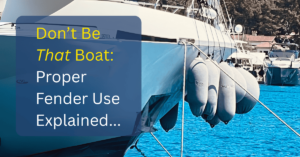
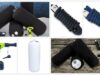
Fenders play a vital role in protecting your boat from damage during docking. AERÉ Docking Solutions offers a range of inflatable fenders designed to provide maximum protection and ease of use. Position fenders strategically along the hull to cushion impact and prevent scratches or dents. Additionally, consider using docking aids such as dock wheels or corner guards to further enhance safety and maneuverability.
Practice Makes Perfect:
Docking is a skill that improves with practice, so take the time to hone your maneuvering skills in different conditions. Consider practicing docking maneuvers in open water or less crowded areas before attempting to dock at a new location. Familiarize yourself with the handling characteristics of your boat, and practice approaching and leaving the dock from various angles.
Stay Calm and Flexible:
Docking can be unpredictable, and conditions may change rapidly. Stay calm and flexible, and be prepared to adjust your approach or strategy as needed. If you encounter challenges or obstacles during docking, don’t hesitate to reassess the situation and make the necessary adjustments to ensure safe and successful docking.
Remember, no matter how stressful the docking process may be, it’s never a good idea to yell at your wife during the maneuver – unless you want to walk the plank later!
Conclusion:
Docking at new docks can be an intimidating prospect for even the most experienced boaters. However, by following these essential tips and leveraging the quality and reliability of AERÉ Docking Solutions, you can approach docking with confidence and peace of mind. Remember to stay vigilant, communicate effectively, and prioritize safety at all times for a smooth and enjoyable docking experience.