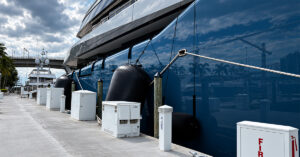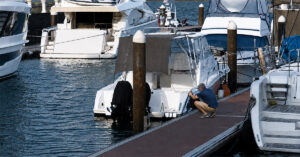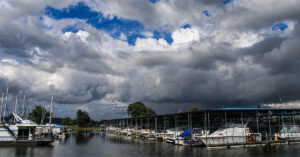
The term “off-season” may make you picture your boat hauled out in a northern yard, with gear stowed until spring. That picture fits some boaters, but not all of them. If you boat in Florida, the Caribbean, or Southern California, your season may never really stop, which means your fender and line maintenance cannot stop either.
Freezing temperatures and intense tropical sun both require a care strategy tailored to your operating environment. Heavy-duty inflatable boat fenders and high-quality dock lines are significant investments. Preserving their integrity depends on understanding the specific environmental stressors at your latitude.
The Northern Layup: Cold Water Maintenance
In northern climates, the off-season involves a concentrated effort to prepare your vessel and gear for months of inactivity. This period calls for a thorough cleaning, followed by optional controlled deflation before gear goes into storage.
The Critical Cleaning Process
A boating season in cold water leaves gear covered in salt, grime, and bio-fouling. Remove contaminants before storage to prevent material degradation. Barnacles, algae, and salt crust trap moisture, creating a breeding ground for mildew.
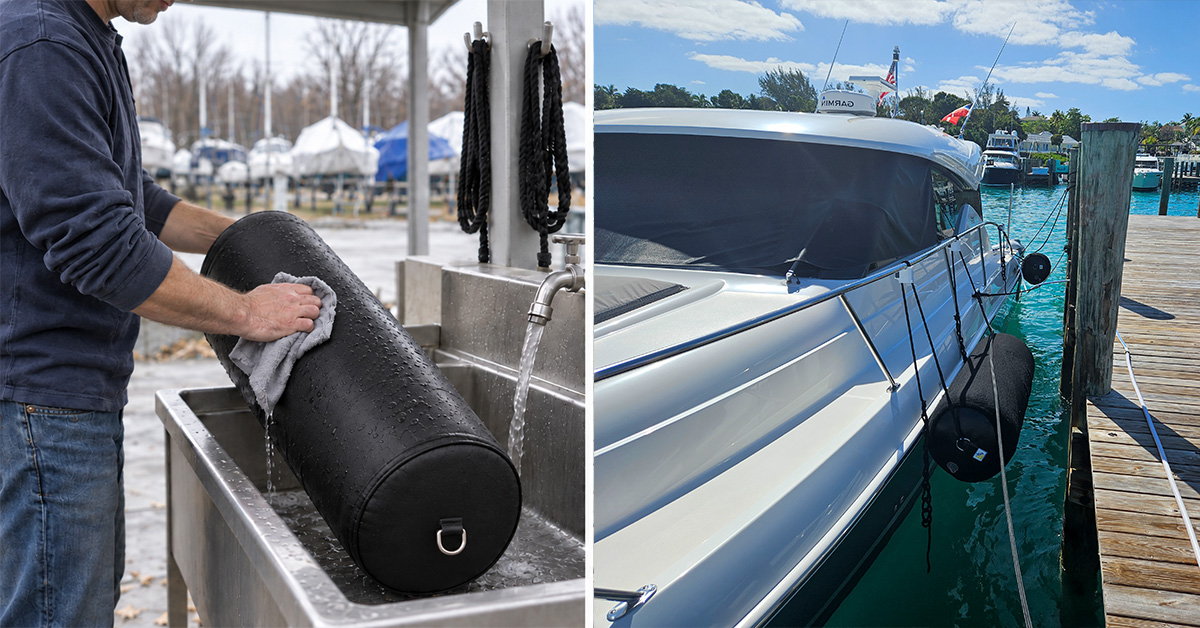
When cleaning heavy-duty PVC or Hypalon, use a mild marine soap and warm water. Avoid harsh solvents, abrasive scrubbing pads, or petroleum-based cleaners that weaken seams. Rinse the equipment thoroughly with fresh water.
Dock lines require similar attention. Salt crystals locked within the braid of nylon lines act like internal cutting edges, severing fibers over time. Soak lines in fresh water to dissolve salt, then hang them to dry completely before coiling.
Proper Deflation Techniques and Material Stress Prevention
Temperature changes affect the internal pressure of your gear. Drastic drops in temperature cause air inside inflatable boat fenders to contract, while trapped moisture can freeze.
While deflating fenders can save valuable storage space, it is helpful rather than strictly necessary since internal components are minimal. When deflating, use a high-volume, low-pressure inflator (such as an 18-volt cordless unit) through the valve system to speed up the process, taking care to keep valves clear of debris so the seal remains tight.
Perform these maintenance tasks on a comfortable day when temperatures are above 40°F. Repeated folding or tightly creasing deflated heavy-duty fenders in freezing conditions is the actual concern for cold-cracking seams, so store fenders loosely or wait for milder weather to handle them. For specific guidance on managing your equipment, review AERÉ Marine’s Guide to Proper Fender Inflation.
Off-Season Storage Best Practices
Select a dark, dry, climate-controlled space for storage. Keep gear away from freezing drafts, heat sources, fuel vapors, battery acid, ozone-producing motors, and sharp tools. Store lines in mesh bags to allow air circulation and prevent mildew. For more on this, read Smart Ways to Organize and Store Your Fenders and Lines.
The Warm Water Year-Round Routine
Without a winter haul-out, gear remains exposed to the elements every day. Your strategy must account for UV exposure while also watching pressure as temperatures rise and salt-driven wear over time.
Managing UV Exposure and Thermal Expansion
Over time, UV exposure can break down the material, leaving surfaces tacky and colors faded. Shield material from the sun using UV-resistant covers and apply protective marine sprays designed for inflatable boat fenders.
Ambient air temperatures in tropical climates fluctuate significantly. Rising heat increases the internal PSI of your fenders. Monitor and adjust inflation pressure after the hottest part of the day to ensure it remains within the standard working pressure of 1–2 PSI. No gauge on hand? Press the side of the fender with a finger. It should give easily, compressing about 1/2 inch. A fender that feels very hard is holding more air than it needs. For more tips on keeping your gear in top condition, refer to Sun, Salt, and Scuffs: How to Protect Your Boat’s Finish This Summer.
Salt Mitigation and Continuous Cleaning
Evaporated seawater leaves sharp micro-crystals on fenders, covers, and dock lines. These crystals accumulate quickly in year-round climates and act like sandpaper against gelcoat or paint when the boat moves against the dock.
Establish a weekly or post-trip washdown regimen. Use fresh water to rinse your fenders, covers, valves, and D-rings. This prevents salt encrustation and removes abrasive particles before they damage your vessel or the gear itself. For a full breakdown of routine tasks, refer to the AERÉ Care Checklist.
Routine Line Inspections and Chafe Prevention
Lines used in warm-water environments undergo constant strain. Unlike northern lines that receive an annual inspection during haul-out, your lines require frequent assessment.
Inspect lines for stiffness or glazed fibers, which indicate friction heat. Check the core for compression and monitor the outer cover for fraying at contact points like cleats and hawse pipes. If a line shows significant wear, replace it promptly to prevent failure under load. Explore our premium Dock Lines if you need to upgrade your current setup.
Maintenance Comparison: Cold Water vs. Warm Water
| Maintenance Factor | Cold Water (Northern Layup) | Warm Water (Year-Round Routine) |
| Primary Threat | Seam cracking from repeated folding below freezing, mildew, stowing issues | UV degradation, high PSI expansion, salt abrasion |
| Schedule | Intensive end-of-season haul-out | Ongoing weekly or post-trip routine |
| Pressure Strategy | Optional deflation for storage | Daily or weekly PSI monitoring for heat expansion |
| Fender Care Focus | Deep cleaning and crease-free stowing | UV covers and continuous freshwater washdowns |
| Line Care Focus | Winter desalination soak and dry storage | Frequent chafe inspection and friction monitoring |
One Goal, Two Geographic Paths
A boat wrapped on a cradle in Maine and one tied up year-round in St. Thomas both need the same maintenance principle applied. Protecting your vessel and preserving your gear are essential tasks for any owner or captain. That principle doesn’t change by latitude, only the routine does. For the specific steps behind proper inflation and pressure checks, see Top Tips for Properly Inflating and Maintaining AERÉ Inflatable Fenders.
FREQUENTLY ASKED QUESTIONS (FAQS)
Northern boaters typically haul their vessels out of the water before the first freeze. This process involves thoroughly cleaning the hull, winterizing engines, and safely stowing equipment ashore. Southern boaters often leave their vessels in the marina year-round. This continuous saltwater exposure requires vigilant monitoring of dock lines and protective gear to prevent damage from intense sun and unpredictable winter storm surges.
Deflating for winter is optional. It frees up storage space, but there is little inside the fender for cold to damage. Rinse with fresh water to remove salt, grime, and marine growth, then let the material dry completely to prevent mold in enclosed storage. If you deflate, pick a day above 40°F and store the fenders loosely, avoiding repeated folds or tight creases in freezing conditions.
Constant sun exposure severely degrades unprotected marine gear. Custom Fenda-Sox covers shield the underlying inflatable material from harsh UV rays and airborne marina pollutants. Regular washing prevents abrasive salt crystal buildup on the fabric. Captains must also rotate their dock lines periodically to ensure even wear across the entire mooring system during the active winter months.
Heavy summer boating places immense stress on mooring ropes. Friction against cleats and wooden pilings creates subtle chafe points that compromise the internal fibers. Cold climate boaters must identify this damage before packing their gear away to ensure a safe spring launch. Those remaining in the water rely heavily on these lines during aggressive winter weather patterns and require maximum tensile strength to keep their vessels secured.
Dropping ambient temperatures cause the air inside sealed pneumatic chambers to contract. This physical reaction softens the equipment and reduces the overall protective cushioning against the hull. Captains operating in cooler winter climates must manually check the pressure of their inflatable fenders on a regular basis. Adding a small volume of air with a standard pump restores the correct firmness and maintains optimal dockside protection.